Cinematic Films
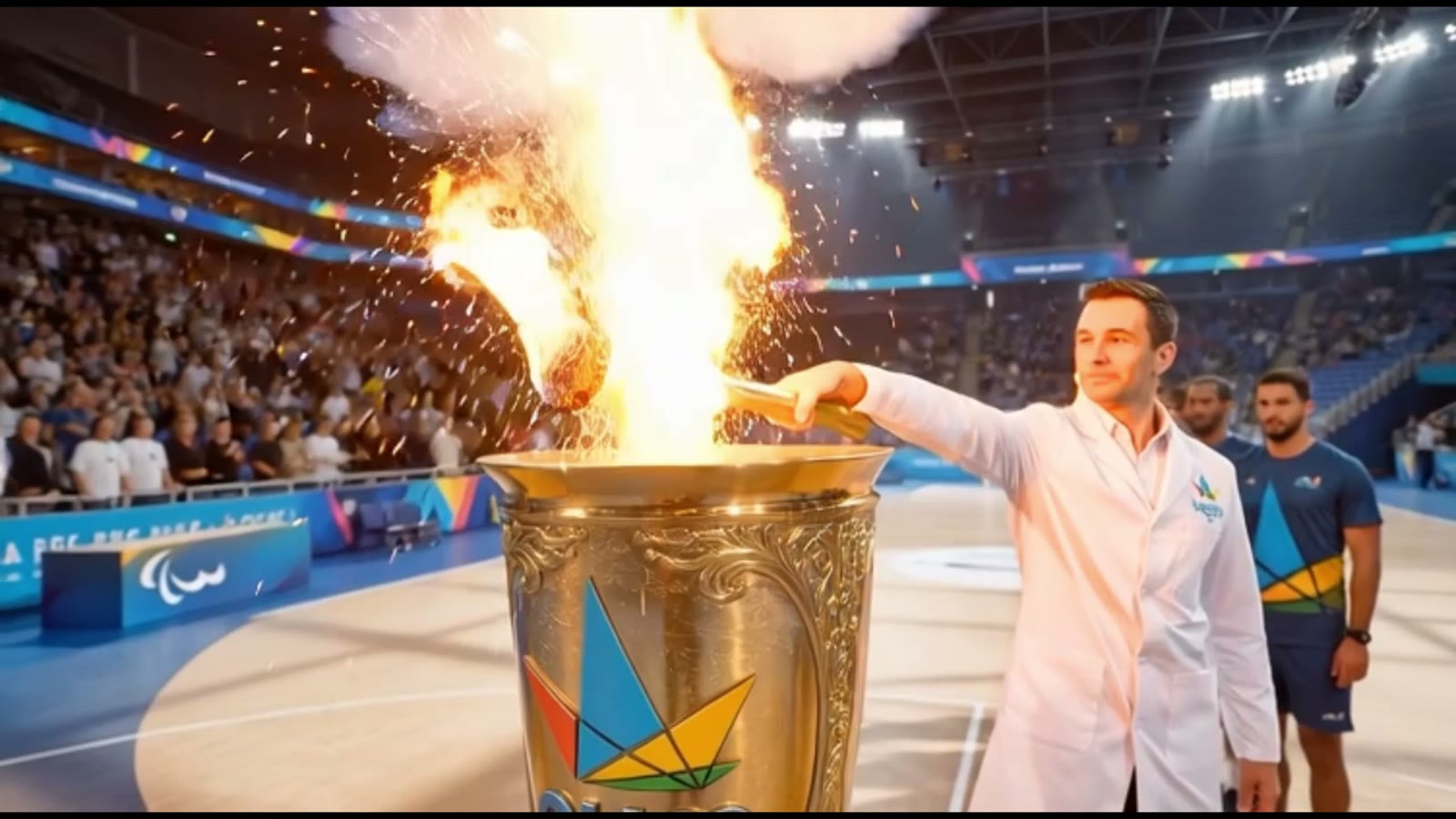
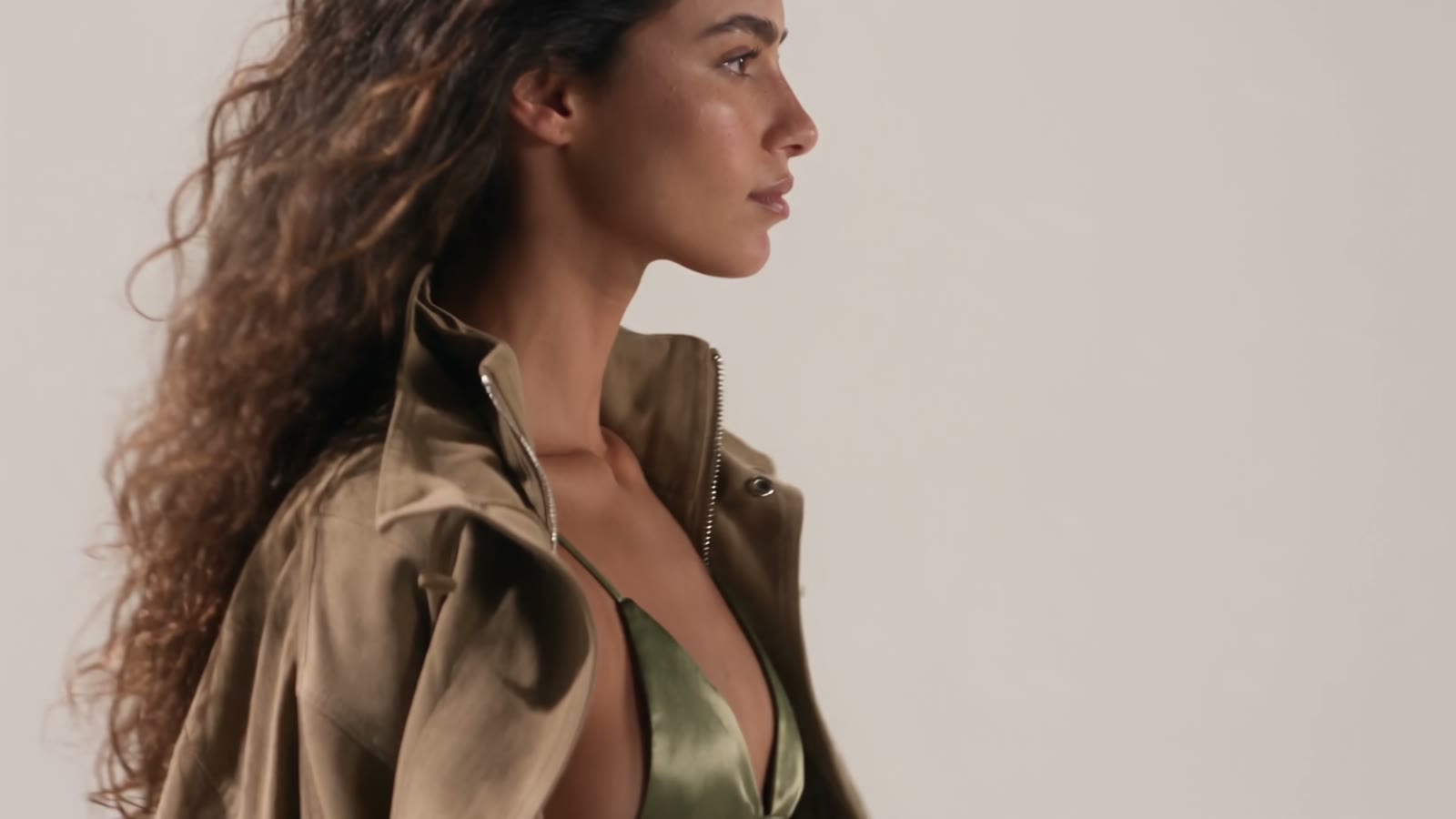
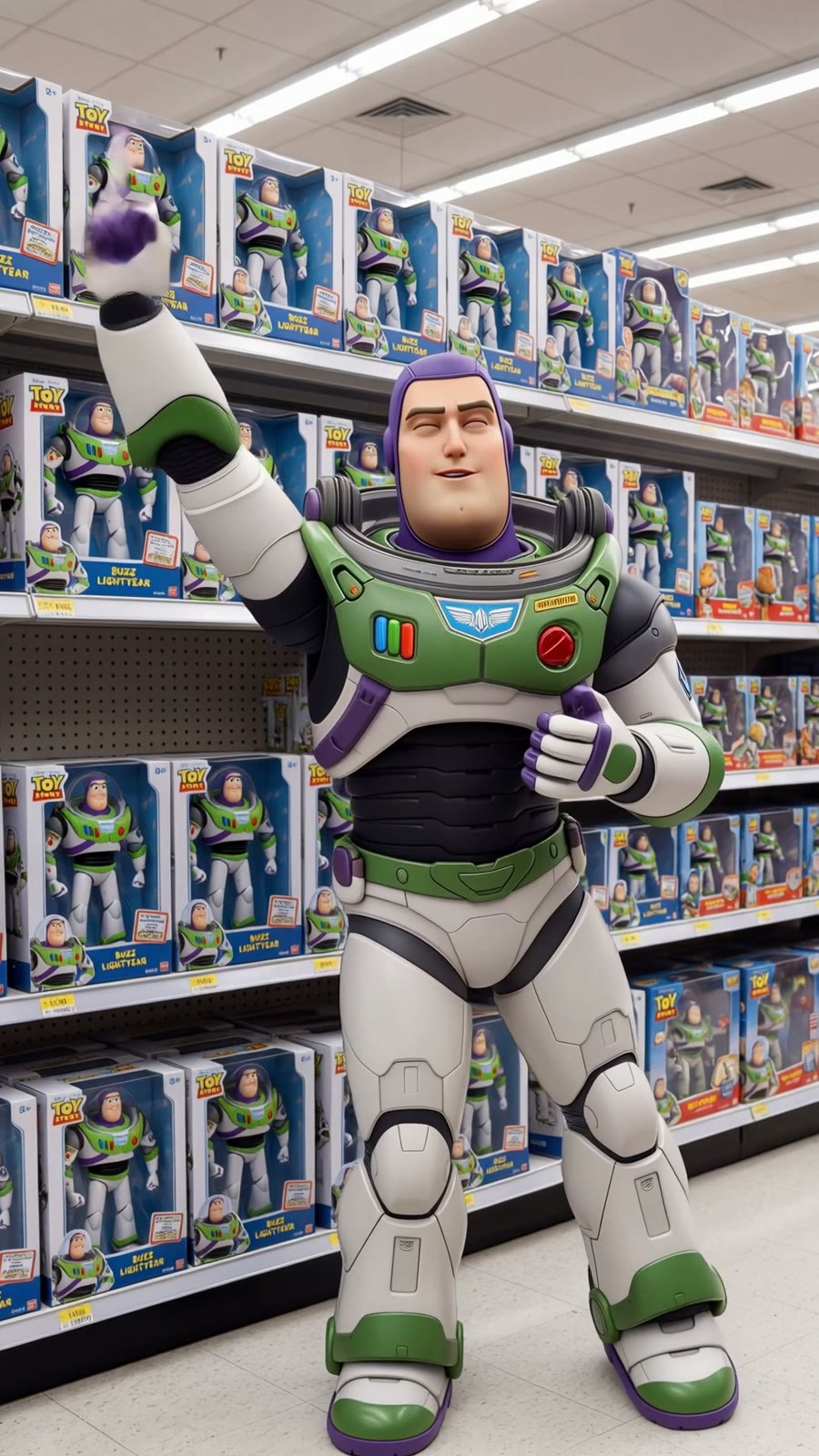
Narrative films that look like they were shot on a real set: actors, historical locations, camera movement and cinematic grading. All of it built with AI under a director's eye, with no crew and not a single production day.
Doña Gracia Nasi: the full film (6 minutes, in Hebrew)
Six minutes of historical docudrama about the woman who saved thousands of Jews in the 16th century, without a single filmed frame.
I want to hear moreWe were commissioned to bring the story of Doña Gracia Nasi (1510–1569) to life, the woman who turned a trading empire into a rescue network for the Jews of Europe. The problem: no visual record of her survived, apart from a single coin bearing her name. The genre: docudrama. The narration is the spine of the film, and on screen you get dramatized scenes of her at work, not animated stills. Here is how we built it:
- 01
Research and fact-checking
Every claim in the film was checked against the historical sources in a verification document. Well-known claims that did not hold up were rejected and never made it into the film, even when they were already in the script.
- 02
The journey map
We built an interactive map of the route her life took: from Lisbon, through Antwerp, Venice and Constantinople, to Tiberias. That is how every scene ended up in the right place at the right point in time. It is shown below.
- 03
Designing the character and the period
Her likeness was built from the one coin left of her. The costumes, the hairstyles and some of the locations were reconstructed from genuine images and engravings of the era, with period cinema as the reference.
- 04
A character sheet for everyone on screen
Each character got a visual identity sheet that locks the face, the build and the wardrobe, so that the character stays exactly the same in every shot, across the whole film.
- 05
Shot by shot, by hand
Then one shot at a time, with no automated pipeline: prompt, lighting, composition, grading and animation. The narration was recorded with an AI voice, and every timing in the edit was derived from the recording itself, not from an estimate. Then sound and music. The result: a docudrama of about six minutes.
The interactive journey map
The map was built as a production tool: it is what decided where and when every scene takes place. Real 16th-century European borders, six stops that open into a dossier, and a timeline. The lines separate the places she travelled to in person from the places her influence reached without her. Drag it, zoom in and step into any stop.